Our Ancestors relied heavily on astronomy for timekeeping developing sophisticated systems based on the sun, stars, and constellations.
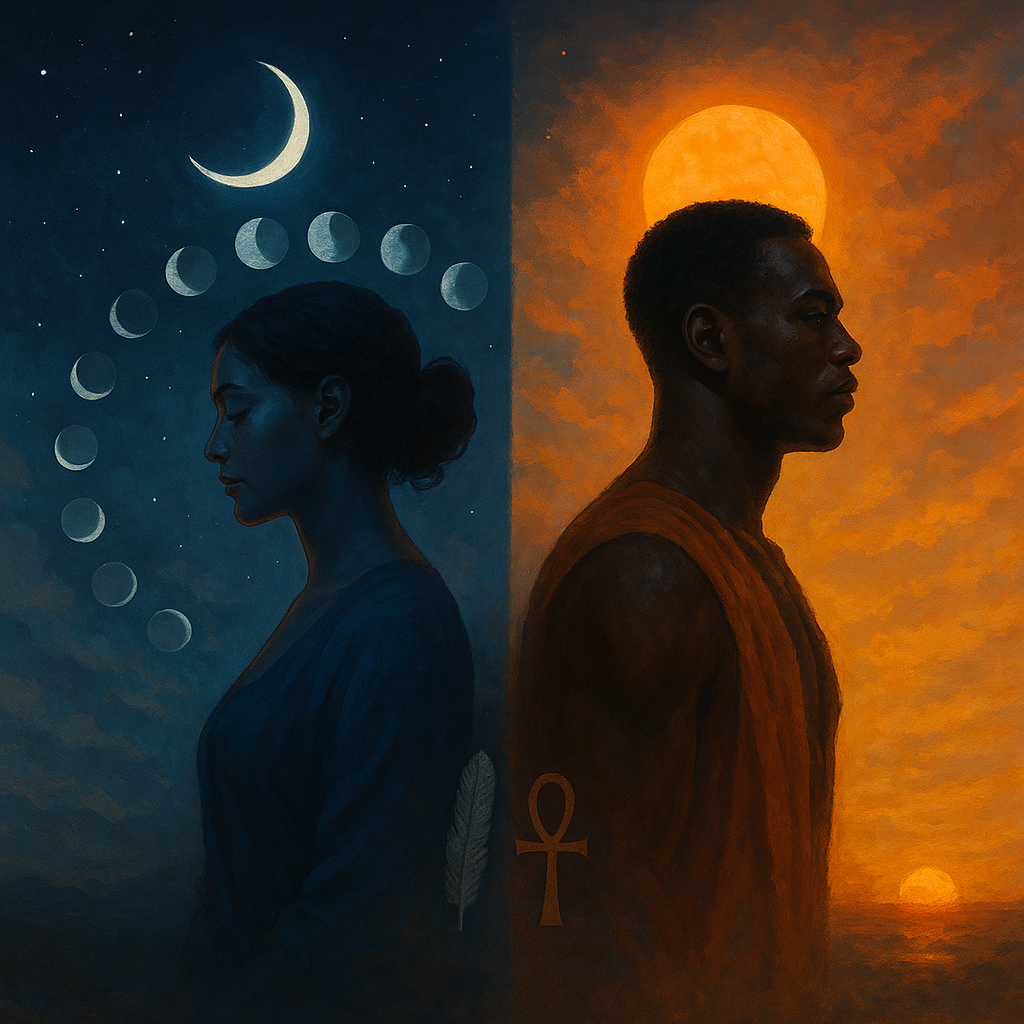
They used these observations to create a 360-Day Lunar calendar, to track spiritual festivals, and understand the cycles of nature.
Our Ancestors timekeeping methods also influenced the development of the concept of hours, with the night being divided in 12 hours based on the rising and setting of certain stars.
Our Ancestors along the Nile developed a calendar with 12 months 30 days each, plus five extra special days resulting in a 365-days year.
This calendar was aligned with the rising of Sirius (Sopdet).
The slight discrepancy between the 360-Day Lunar calendar and the solar year was 5 1/4 day addressed through adding 5 special days to the end of the year. Which leaves 6 hour (A quater of a Day). By not adding 6 hour onto the year meant that these 2 cycles would realign themselve once every 1,460 years.
Our ancestors along the niles used the Sebau, (a groups of stars) that rose roughly every 10 days, to divide the night into hours.
By observing which Sebau ( a group of stars) were visable at different times during the night, they could track the progression of hours.
These 10 day star clocks were often depicted on coffin lids and tomb ceilings, demonstrating their importance in timekeeping
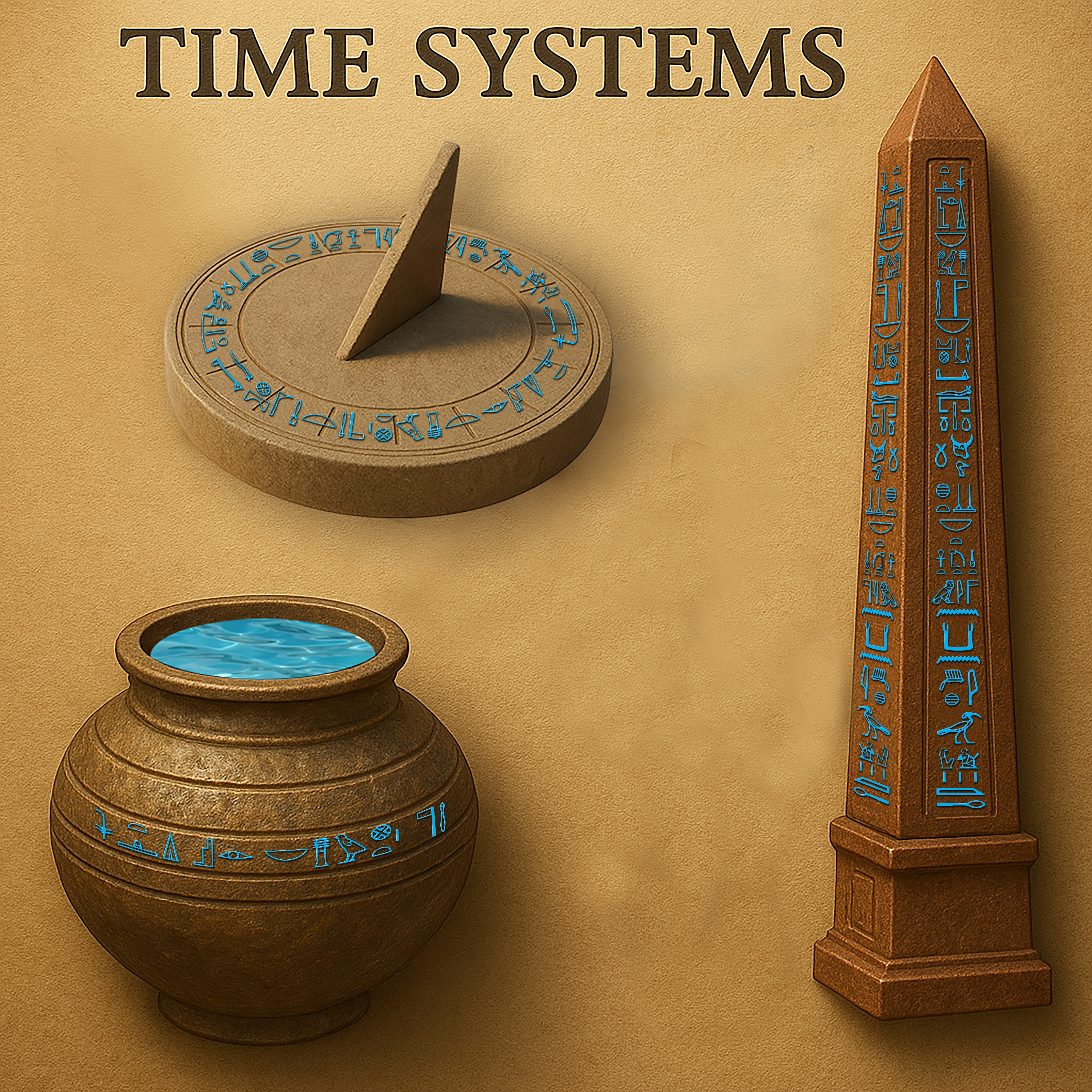
While astronomy was central, our ancestors also used water clocks and sundials for time keeping especially during the day.
Shadows cast by the sun were used to mark the hours on sundails, with the gnomon (the part that cast the shadow) and the dail being carfully calibrated.
Water clocks , were used to measure time by tracking the flow of water.
Our ancestors are credited with developing the concept of the hour, dividing both the day and the night into 12 hours each.
This division, particulary of the night, was based on our ancestors observation of constellations and their cyclical appearance and dis appearance.
The word “wnut,” which translate to “hour,” is found in ancient Kemetic texts and is associated with a star symbol.
Astronomy was deeply interwined with spirituality and daily life in ancient Kemet.
Temple were often aligned with specific celestial events, such as the solstices and the rising of Sopdet (Sirius), reflecting the importance of these events.
The predictable cycles of the stars were crucial for agricultural planning and scheduling spiritual festivals

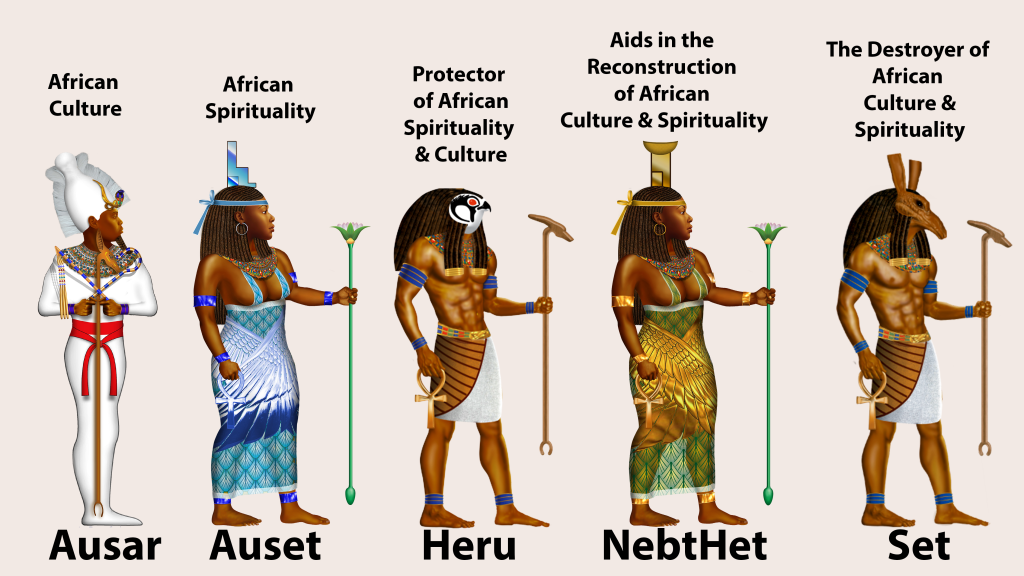
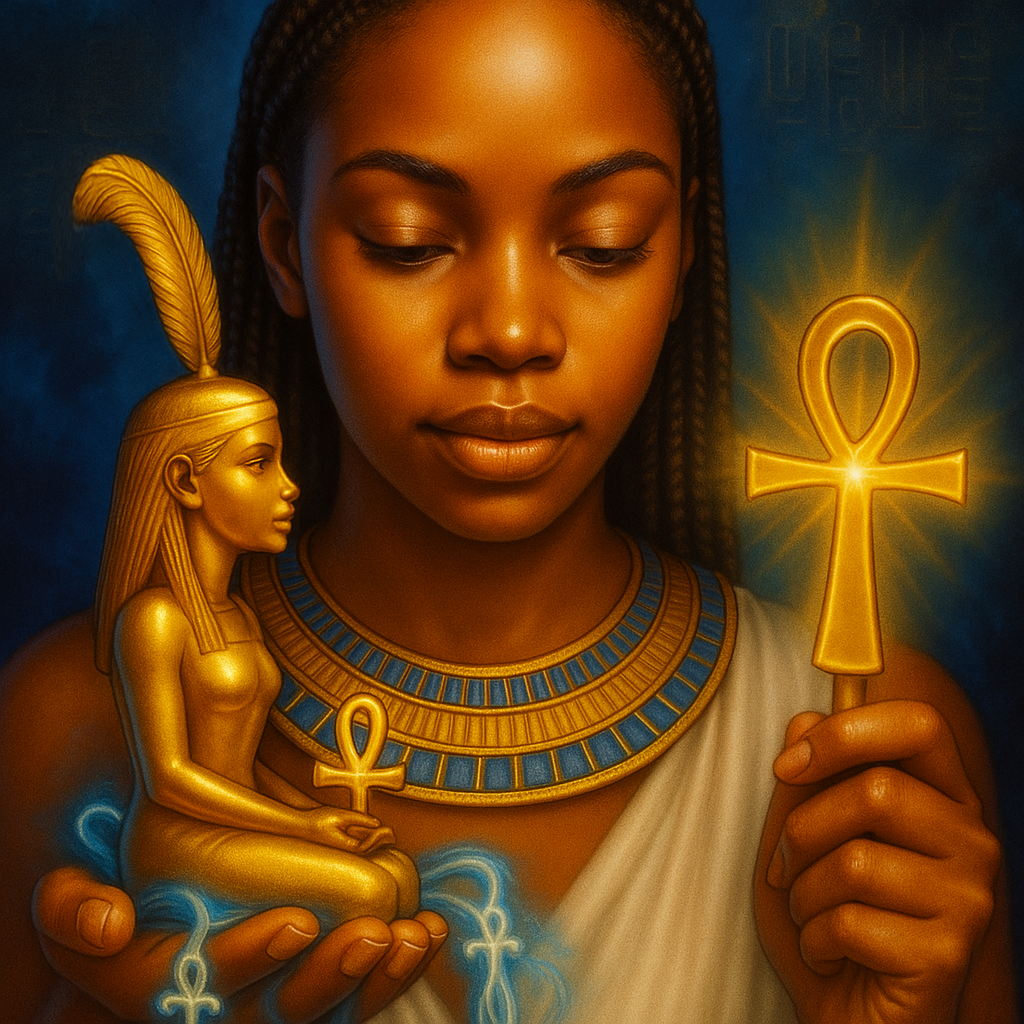
The living qualities of the Neteru (deitited) as they manifest in each person, and how to work their energies
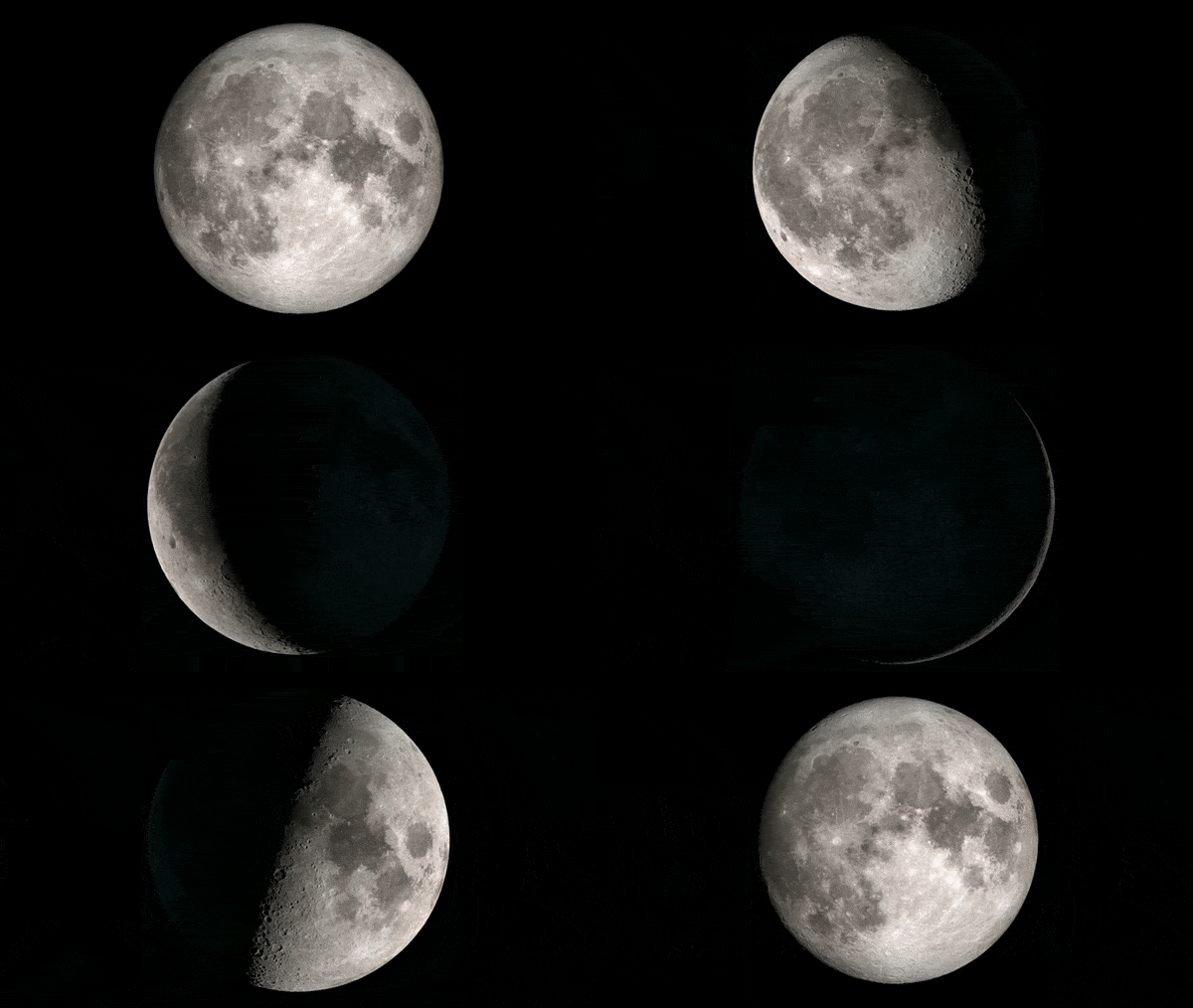
Lunar & Solar Cycles: Techniques for harnessing New Moon intentions, Full Moon releases, and and seasonal solstice rituals to accelerate your goatls.
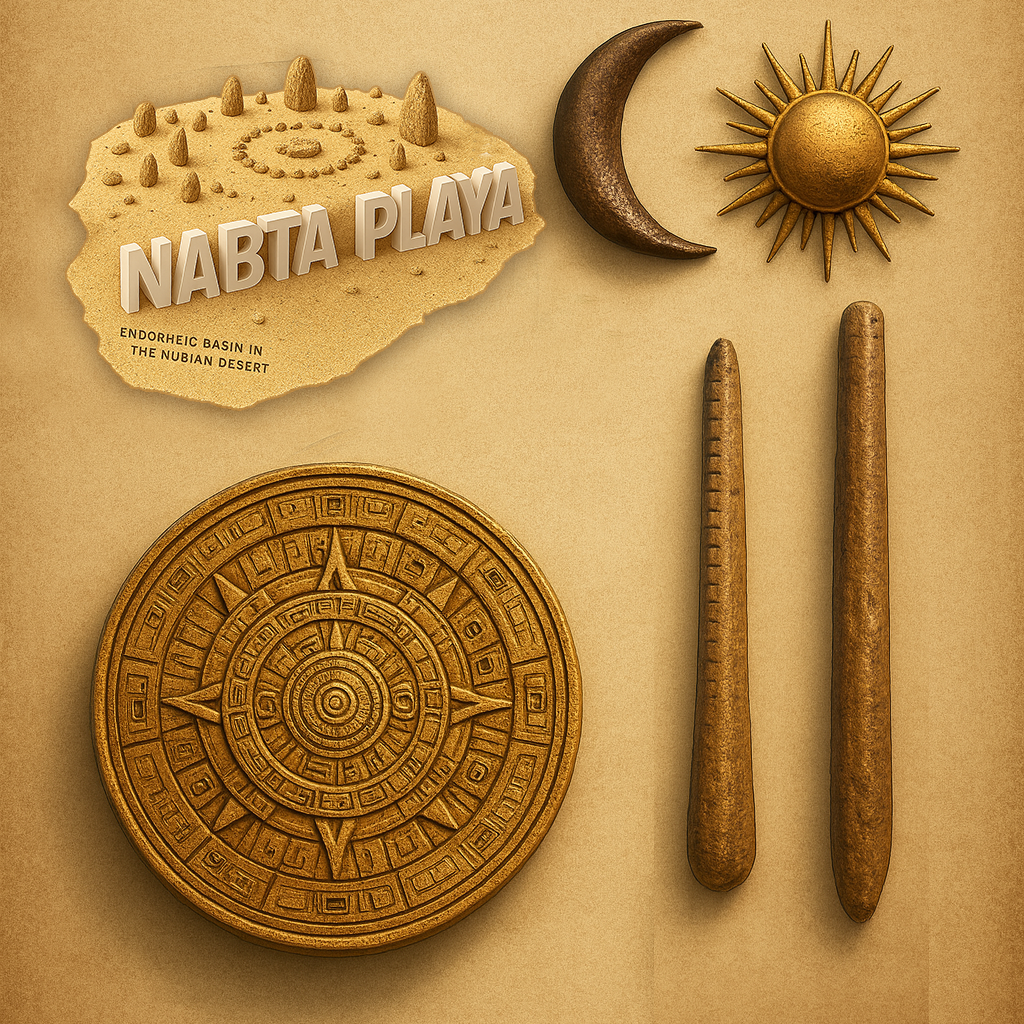
– how our early Ancestors used the sun, moon, stars, bones, and megalithic sites (like Nabta Playa, Ishango, Southern African Calendar, etc.) to track cycles.
Kemetic Timing & Decision-Making Applying planetary cycles to plan major life events — From career launches to relationship breakthroughs
Rituals, Journaling & Energetic Practices: Daily and monthly exercises – ritual meditations. breathwork, and journal prompts – that keep you aligned with cosmic flow.
how our ancestors divided the year into months, seasons, and decans, and how this linked to spiritual philosophy, agriculture, and astrology.
– the priest-astronomers who observed the heavens, created calendars, and aligned temples and rituals with cosmic cycles.
– why timekeeping wasn’t just practical (planting, harvest, flood prediction), but also sacred—connecting human life to cosmic order (Ma’at).
– how these ancient methods shaped later calendars and how understanding them today can help you reconnect with natural rhythms, balance, and self-knowledge.
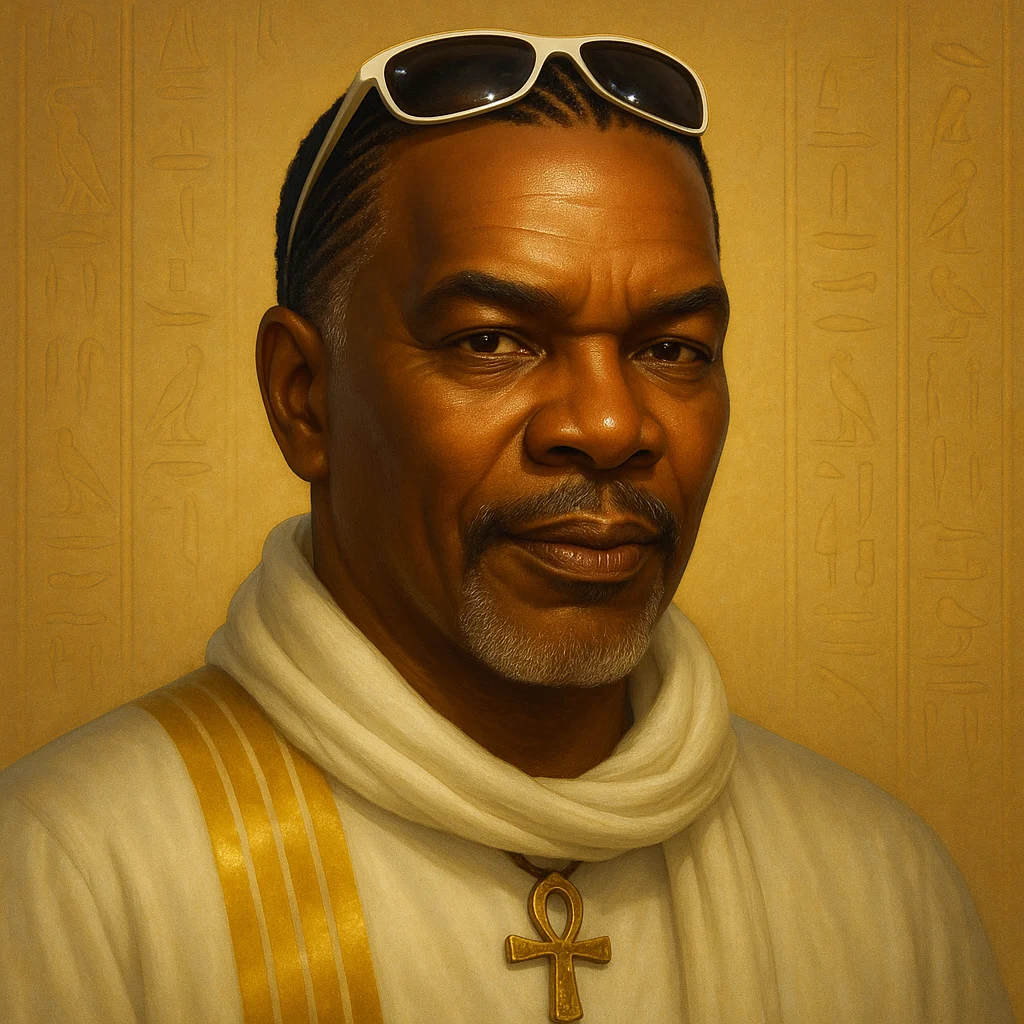
I’m deeply passionate about bridging the timeless wisdom of Ancient Kemet with the modern seeker’s journey. Every time I guide someone through their Neteru or unveil the living symbolism of the stars, I witness a spark—people reclaiming their innate power, purpose, and creativity. It’s profoundly rewarding to translate millennia‑old cosmic teachings into practical tools that help souls live with more clarity, confidence, and joy.
Decades of Dedicated Study: I’ve spent over 50 years immersed in Kemetic Sacred Science—poring over original hieroglyphic sources, temple teachings, and classical texts to reconstruct the authentic calendar of Kemetic.
Living Lineage & Mentorship: Trained under recognized custodians of the Kemetic mystery schools, like Dr Rkhty Amen, Dr Ben, Dr Clarke, Dr Ivan Van Sertima, Dr Francis Cress Welsing, oh and by the way I created the Cover for the Isis Papers. I carry forward a direct lineage of star‑wisdom that’s been preserved through generations.
Academic & Practical Integration: Beyond historical scholarship, I’ve woven in insights from modern astronomy, psychology, and neuro‑linguistic programming—ensuring our astrology is as precise and actionable today as it was in the Kemetic era.
Proven Teaching Track Record: Through Know‑Thyself Academy, I’ve guided many students worldwide to read charts confidently, align with celestial rhythms, and embark on transformative self‑discovery.
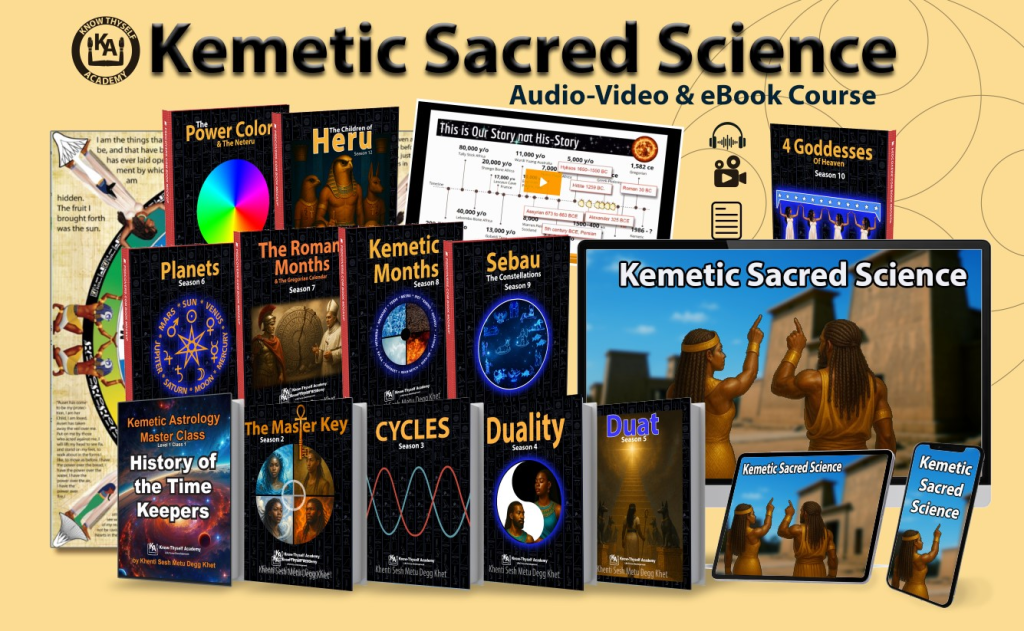
Get your eBook “The History of the Time Keepers” + 3-Day Free Pass to view all Episodes. Then, for less than $1.64/day (just $49/mo), you’ll unlock:
Unlimited Video Library
Access every in-depth episode—from the dawn of the Ishango lunar tally to modern Kemetic calendar science—on any device, anytime.
Downloadable Workbooks & Transcripts
Deepen your learning with printable guides, you can annotate and revisit.
Monthly Live Q&A & Hot-Seat Sessions
Bring your questions, and insights to our live calls—get direct feedback from Baba Metu and the community.
Exclusive Bonus Content
Dive into behind-the-scenes interviews, extended ritual meditations, and advanced training modules reserved for members only.
Private Practitioner Community
Connect with fellow seekers in our members-only forum—share breakthroughs, co-create projects, and find accountability partners.
Then, for less than $1.64/day (just $49/mo), You get Lifetime Access to all Episodes